Empathetic LGBT Counselling Solutions: Supporting Your Journey to Well-Being
Compassionate LGBT counselling programs play a vital aspect in nurturing psychological wellbeing and growth within the community. These support services forge a safe space for individuals to examine their sense of identity and confront social expectations. By incorporating customized therapeutic strategies, clients can cultivate resilience and self-acceptance. Recognizing the impact of these counselling programs sparks significant considerations about their effectiveness and the transformative possibilities they can present. What shifts might come for those who reach out for this help?
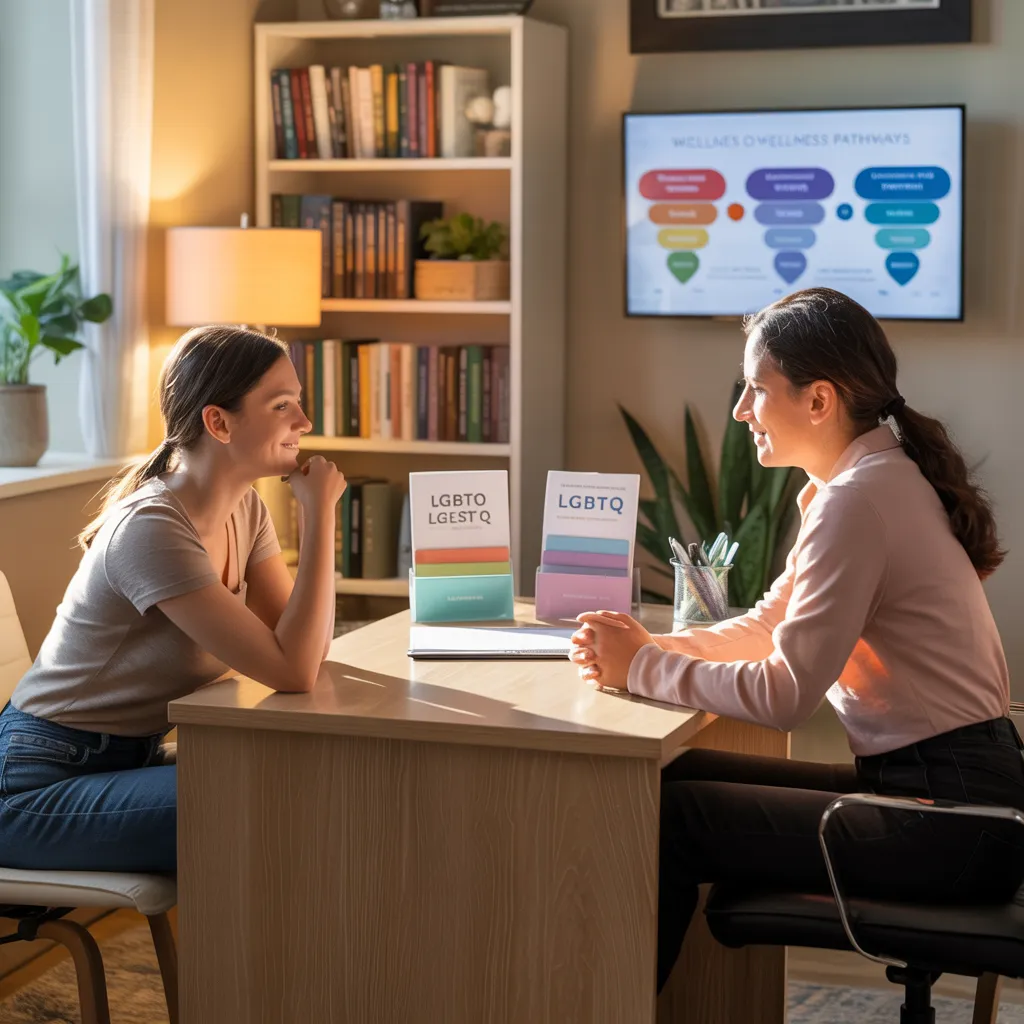
Why LGBT Therapy Matters
LGBT therapy serves as an essential resource in tackling the unique challenges faced by people within the group. It offers a secure and affirming environment where clients can explore their identities, emotions, and experiences without worry about judgment. These programs are intended to validate varied sexual preferences and gender expressions, cultivating a sense of belonging and understanding.
Counsellors educated on LGBT issues apply culturally competent strategies to better understand the nuances of clients' circumstances. This focused strategy not only promotes mental health but also empowers individuals to navigate cultural demands, relationship dynamics, and personal growth.
In addition, LGBTQ+ therapy services can help develop adaptive techniques for depression, anxiety, and stress, which may originate from experiences of discrimination or isolation. By placing focus on psychological health, these services play an essential role in boosting the total well-being for LGBTQ+ individuals, promoting self-acceptance and emotional strength.
Problems Confronting the LGBT Community
Although progress has been made in many areas, major obstacles continue to confront the LGBT community. Discrimination remains pervasive, impacting various aspects of life, including employment, healthcare, and residential accommodations. Many people experience stigma and prejudice, resulting in increased mental health struggles. Additionally, the lack of thorough legal protections in some regions worsens these problems, rendering members of the community susceptible to harassment and violence.
Mental health concerns are particularly evident, as individuals often grapple with internalized homophobia and societal rejection. Social isolation can exacerbate these challenges, as supportive networks may be limited or non-existent. Moreover, access to culturally competent healthcare care is frequently insufficient, leaving many without essential assistance.
Handling these barriers requires resilience and advocacy, highlighting the pressing nature of increased awareness and targeted interventions to strengthen respect and belonging. Tackling these challenges is necessary for the total welfare of the LGBT community.
Learn What Your Counseling Session Will Involve?
An LGBT counseling appointment begins with the opening evaluation procedure, which is vital for grasping the client's distinctive needs and encounters. This fundamental step sets the stage for the therapeutic techniques that will be applied throughout the process. Clients can look forward to a customized strategy that centers on their personal situations and goals.
First Assessment Workflow
The foundational assessment structure functions as a vital cornerstone for successful counselling engagements. Throughout this period, clients are asked to articulate their situations, concerns, and aspirations in a caring, secure space. The counsellor executes a detailed examination, assembling crucial information regarding the client's circumstances, emotional health history, and existing obstacles. This interaction works to foster connection and confidence, allowing clients to perceive they are understood and respected. Furthermore, the practitioner may address the client's objectives and hoped-for outcomes from the counselling journey. By forging a solid understanding of the client's requirements, the preliminary assessment lays the groundwork for bespoke support and effective treatment, guaranteeing that clients feel confident and ready on their journey to health.
Therapeutic Approaches Used
Counselling sessions incorporate a assortment of treatment techniques customized to fulfill each client's unique needs. Approaches such as CBT help clients resist and rethink negative thought patterns, encouraging healthier perspectives. Story-based intervention prompts individuals to explore and modify their personal stories, enhancing self-identity and empowerment. Additionally, mindfulness interventions promote emotional regulation and present-moment awareness, assisting clients in reducing nervousness and stress. Relational approaches, including attentive attention and empathy, establish a secure context for candid exchange. Group therapy can also be utilized, fostering community and shared experiences among clients. Each technique is carefully selected to address unique difficulties met by LGBT individuals, ensuring a in-depth and compassionate approach to their emotional health and well-being.
The Way LGBT Guidance Tackles Common Challenges
While moving through a world often fraught with discrimination and misunderstanding, many people within the LGBT community face unique emotional and psychological challenges. LGBT support addresses these issues by providing a safe, affirming space where clients can express their feelings without fear of judgment. Counselors are skilled to grasp the complexities of identity, including coming out, relationship dynamics, and societal pressures.
Using individualized therapeutic approaches, such as CBT and narrative-based therapy, clients delve into their thoughts and experiences, cultivating resilience and self-regard. The focus on empowerment supports people overcome internalized shame and external biases, promoting more adaptive coping mechanisms.
Furthermore, LGBT therapy often incorporates conversations around overlapping identities, recognizing how various identities intersect, affecting psychological well-being. By tackling these common challenges, therapy supports clients in building a stronger personal identity and community, ultimately promoting their path toward wellness and satisfaction.
Choosing the Best LGBT Counselor to Suit Your Preferences
Guiding the journey toward psychological wellness often requires discovering the suitable resources. For individuals within the LGBT community, picking a counsellor who grasps their particular encounters and obstacles is vital. Key elements include the counsellor's qualifications, experience, and familiarity with LGBT matters.
Prospective clients should discover experts who have a experience in gender and sexual diversity, ensuring they can manage difficult emotions and cultural expectations competently. Personal referrals, online reviews, and specialist registries can be helpful references in this search.
Additionally, a(n) opening consultation may help in gauging compatibility; it offers an opportunity to assess the counsellor’s approach and communication style. Feeling safe and understood is key, so clients should trust their instincts about the connection established. Ultimately, the right LGBT counsellor can significantly boost the therapeutic experience, fostering growth and resilience on the path to well-being.
Success Stories: Transformative Influences of LGBT Counselling
LGBT counselling has functioned as a turning point for self-development, enabling individuals to accept and explore their identities. Many have reported experiences of conquering significant hurdles and discovering a sense of inclusion within caring networks. These success stories underscore the meaningful influence counselling can have on the lives of LGBTQ+ individuals.
Personal Progress Expeditions
Counselling can serve as a significant force for self-development, notably in the LGBT community, where individuals often navigate distinctive obstacles. Many clients report substantial changes after undergoing counselling support. For instance, one individual found the courage to adopt their identity, resulting in improved self-esteem and stronger connections. Another client gained skills in setting boundaries, cultivating essential skills for everyday and career situations. These journeys highlight the impact of tailored counselling approaches, stressing respect and empathy. By exchanging perspectives and knowledge, individuals not only cultivate resilience but also encourage those facing similar struggles. Such success stories highlight the importance of empathy in therapy, establishing that individual advancement is possible and can lead to a fulfilling life.
Overcoming Personal Challenges
Handling self-identity issues can be a daunting journey, yet counselling frequently provides a transformative pathway for many individuals. Clients typically report considerable shifts in their self-perception and acceptance through qualified support. For instance, one individual learned to welcome their identity after contending with internalized stigma, eventually finding personal power in their uniqueness. Another client, who experienced familial rejection, uncovered coping strategies that strengthened resilience and self-love. These success stories underline the key role of LGBT counselling in aiding personal growth and healing. By addressing feelings of isolation and confusion, counselling supports individuals in cultivating a stronger sense of self, opening the door to a fulfilling life rooted in authenticity and acceptance.
Establishing Supportive Communities
Many persons have found that creating supportive communities can greatly enhance their journey towards acceptance and belonging. These communities act as safe spaces where members are able to share experiences and challenges without fear of judgment. There are numerous success stories that illustrate how collective support strengthens resilience and empowerment. For instance, one individual revealed how joining a local LGBT group provided not only friendship but also essential mental health resources. Another participant recalled attending workshops that led to significant personal growth and boosted confidence. Through these shared experiences, individuals often discover a sense of identity and purpose, reinforcing the belief that connection and understanding can transform lives. In the end, supportive communities play a key role in promoting well-being within the LGBT population.

Extra References for LGBT Counseling and Assistance
While working through the challenges of life, members within the LGBT community often pursue additional resources to enrich their counselling experiences. Various organizations supply support tailored to their special needs. Online sites, such as forums and chat rooms, provide a safe space for exchanging experiences and advice. Local LGBT centers frequently organize workshops, support groups, and social events, strengthening community connections.
Furthermore, learning materials, including books and articles, can improve understanding of personal issues and societal challenges. Hotlines operated by trained professionals provide immediate assistance for those in crisis. In addition, mental health apps purposefully created for the LGBT community can provide coping strategies and mindfulness exercises.
Common Often Posed Questions
How Can I Figure Out if I Should Seek Counselling?
People may need counseling if they encounter persistent feelings of sadness, stress, or bewilderment, have difficulty in relationships, or face significant life changes. Identifying these indicators can help determine the importance of seeking professional support.
Does LGBT Counselling Differ From Standard Therapy?
LGBT counselling often addresses particular cultural, identity, and community-focused challenges that conventional therapy may miss. It establishes a secure, supportive environment for individuals to explore their journeys, promoting comprehension and self-development specific to their sense of self.
What Qualifications Ought I Seek in a Counselor?
When choosing a therapist, it is important to emphasize qualifications including appropriate educational background, licensure, specialized training in LGBT issues, professional background, and a proven dedication to understanding varied sexual orientations and gender expressions.
May I Attend Online Counselling Meetings?
Yes, virtual therapy sessions are available. Many practitioners provide online consultations, delivering convenience and ease of access. It's important for people to verify that their selected counsellor is certified and skilled in providing effective online support.
How Secure Is Your Data in LGBT Counselling?
LGBT therapy programs emphasize confidentiality, making sure clients' identities and discussions remain confidential. Professionals comply with ethical guidelines, safeguarding personal information while creating a secure space for candid discussion and care throughout the more info counselling process.